
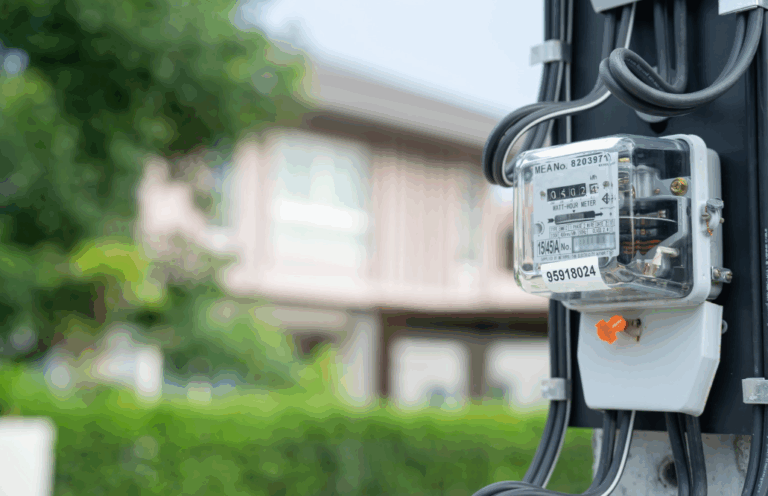
Energy-efficient commercial construction keeps operational costs lower over time and gives the property a range of appealing advantages. Let’s take a closer look at what impacts energy-savings ROI.
ROI Indicators for Commercial Buildings
According to Numbers Analytics, the primary factors that influence the ROI of green-building commercial construction projects include:
- Building Type and Size: The building layout and size present unique challenges and opportunities for improving energy efficiency and conservation.
- Climate and Location: The climate and location of your construction project determine your baseline for water and electricity (including HVAC).
- Design and Construction Costs: Your up-front costs may indicate a lower initial ROI, but it will likely improve year over year, since energy and maintenance costs will remain lower/more consistent with time.
- Water and Power Conservation Strategies: Working with a firm that can help you identify energy-saving and environmentally-friendly options for tools, equipment, materials, and design will help you reduce waste and plan for long-term sustainability.
- Tax Savings: In Florida, commercial building projects may qualify for the 179D Energy-Efficient Commercial Building Tax Deduction. This tax credit allows building owners and designers to claim deductions for implementing energy-saving technologies in commercial and tax-exempt building projects.
- Profitability: One study by Bain & Co. and EcoValis found that, among 100,000 companies studied, there were strong positive correlations between sustainability and profitability, largely thanks to employee satisfaction and productivity/retention. Whether you’re expanding your business or bringing it to a new city, making sustainability a priority is an investment in your success.
A Strategic Choice for Companies and Communities
Sustainable and socially-responsible companies care for their communities, their environment, and their team. Energy-efficient buildings are often also healthier workplaces, thanks to reduced greenhouse gas emissions and improved indoor air quality.
Water conservation and waste production benefit the entire community, since other businesses and residential areas share the same resources as your commercial building. Planning energy-efficient building projects demonstrates your commitment to social responsibility and environmental stewardship, and can attract employees, clients, and tenants with similar priorities. Plus, you’re building in protection and accountability for yourself by avoiding penalties for non-compliance with environmental protection regulations.
A Data-Driven Approach: Planning for Success
Data is the best way to justify an up-front investment in anything that promises long-term ROI. Completing an energy audit for your project gives you more precise insights into where to improve energy efficiency and how to gain a competitive advantage in your location and your industry. You’ll learn about current usage and areas of waste or energy inefficiency. We’ll also include a list of energy conservation recommendations based on your project scope and size.
Your Partner for Energy-Efficient Buildings
Farrar Construction Services understands that energy-efficient commercial construction is vital for reducing long-term costs, enhancing sustainability, and improving your market position. Ready to expand, but keep your community first? We’ll conduct an energy audit to plan for maximum efficiency, and keep you informed every step of the way. Ready to see the difference for yourself? Contact us today to schedule a project consultation.