
Did you know that in 2020 alone, the United States experienced 22 separate billion-dollar weather and climate disasters? Among these, hurricanes are among the most destructive, causing significant damage to infrastructure and homes. As climate change intensifies weather patterns, the importance of hurricane-proof construction has never been more critical.
Understanding Hurricane-Proof Construction
Hurricane-proof construction refers to building techniques and materials designed to withstand the extreme winds, flooding, and debris associated with hurricanes. This approach is not just about building stronger structures; it’s about creating resilient communities that can recover more quickly after a disaster. By implementing hurricane-resistant features, builders can significantly reduce the risk of damage during storms, ultimately saving lives and resources.
Building Materials Matter
One of the most significant aspects of hurricane-proof construction is the selection of appropriate materials. Traditional wood framing may not provide the necessary strength to withstand hurricane winds, which can exceed 150 mph. Instead, materials such as reinforced concrete, steel, and impact-resistant glass are recommended.
- Reinforced Concrete: This material offers superior strength and durability. It can withstand high winds and flying debris, making it an excellent choice for coastal areas.
- Steel Framing: Steel is resistant to warping and can endure extreme weather conditions. It also provides a robust structural framework that can support additional safety features.
- Impact-Resistant Windows: These windows are designed to resist shattering from debris, reducing the risk of interior damage and injuries during a storm.
Design Features for Resilience
In addition to materials, specific design features can enhance a building’s resilience to hurricanes. These features include:
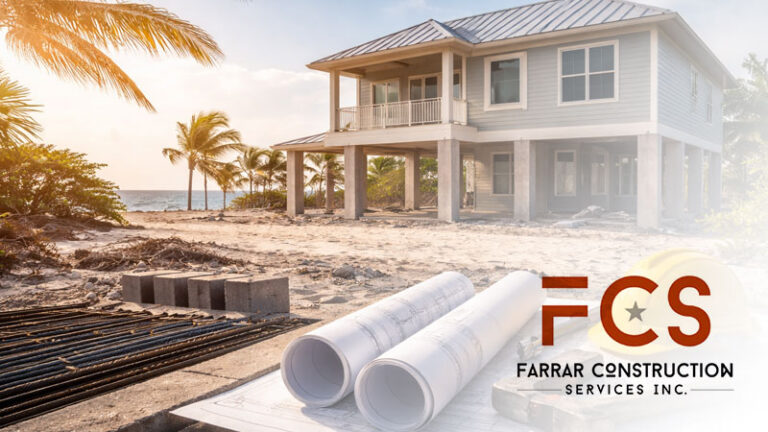
- Elevated Foundations: Building on elevated foundations helps prevent flooding and water damage. This is particularly important in areas prone to storm surges.
- Roof Design: A hip roof design is more aerodynamic than gable roofs and can better withstand high winds. Additionally, using roof straps can secure the roof to the walls, further enhancing stability.
- Wind-Resistant Doors: Installing doors that can withstand high winds and debris impact is crucial. These doors are often reinforced and have a tighter seal to prevent wind and water intrusion.
For example, homes built in Florida’s coastal regions are often required to adhere to strict building codes that mandate these resilient design features, helping to protect both property and lives.
Community Planning and Infrastructure
Hurricane-proof construction extends beyond individual buildings; it includes community planning and infrastructure. Local governments play a vital role in establishing building codes and zoning laws that promote resilience. Effective community planning can include:
- Smart Zoning: Avoiding construction in high-risk flood zones can reduce overall vulnerability.
- Infrastructure Investment: Investing in stormwater management systems can help mitigate flooding and protect communities during storms.
- Community Education: Educating residents about hurricane preparedness and the importance of resilient construction can foster a culture of safety and awareness.
Practical Applications for Homeowners and Builders
As a homeowner or builder, understanding the principles of hurricane-proof construction can directly impact your safety and investment. Here are some practical applications:
- When planning a new construction project, consider consulting with experts in hurricane-resistant design to ensure compliance with local codes.
- For existing homes, consider retrofitting with impact-resistant windows and reinforcing roofs to enhance resilience.
- Stay informed about local building codes and participate in community discussions about infrastructure improvements.
Conclusion: Building a Resilient Future
In conclusion, hurricane-proof construction is essential for building resilience against increasingly severe weather patterns. By choosing appropriate materials, incorporating effective design features, and engaging in community planning, we can protect lives and property from the devastating effects of hurricanes. As climate change continues to pose challenges, the need for resilient construction will only grow. Take the first step today by exploring more about pre-construction planning and how it can help you avoid delays and extra costs while ensuring your projects are built to last.